Worth knowing
What makes it world-famous.
Travel guide · Updated Oct 24, 2026
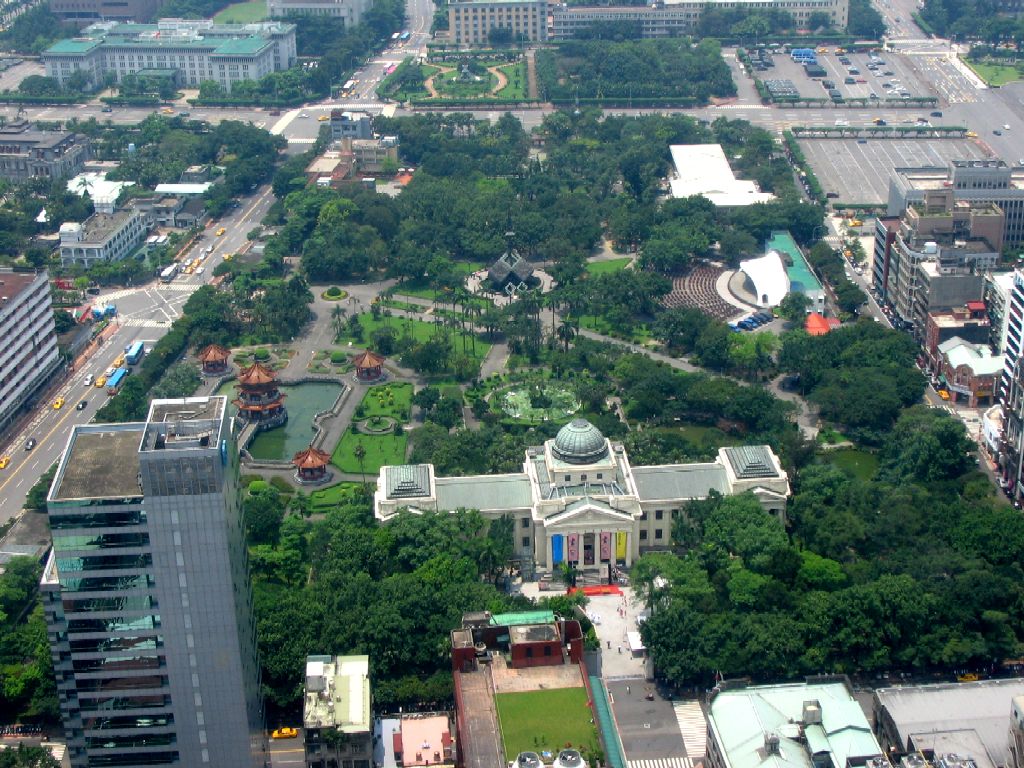
228 Peace Memorial Park in Taipei, Taiwan, is a place to approach with both curiosity and care. The supplied listing identifies it as a monument and places it at latitude 25.042968, longitude 121.515608. Those coordinates offer a useful map reference, but they should not be treated as a confirmed entrance or accessible arrival point. Plan a visit around understanding the place rather than simply reaching its marker. A little preparation can turn a brief stop into a more thoughtful encounter with Taiwan’s history and the responsibilities of public remembrance. The name refers to the February 28 Incident of 1947 and the violence and repression that followed. What began amid tensions over government conduct developed into an uprising and a deadly crackdown under the Nationalist authorities. The consequences reached far beyond the immediate events, affecting families, political life and public discussion for decades. This historical background helps explain why a peace memorial is not merely a decorative landmark. It invites attention to loss, accountability and the difficult work of acknowledging experiences that were long painful to discuss openly. Keep that context distinct from practical details that still need confirmation. The supplied information does not establish opening hours, admission arrangements, available facilities, guided visits or the accessibility of individual features. Before setting out, check with the relevant operator or visitor information service about the park and any particular memorial or exhibition you hope to see. Do not assume that an outdoor space and an associated indoor attraction share the same access arrangements. If a specific feature matters to your visit, confirm it separately rather than building the day around an assumption. For a manageable visit, set aside an unhurried portion of your day instead of fitting the park into a rushed gap between appointments. This is planning advice, not an official recommended duration. Begin by orienting yourself at the entrance you have verified, then look for any available visitor information or interpretive material. Let what you find determine the route. A useful rhythm is to read, pause, walk and return to anything that deserves a second look. You do not need to photograph every feature or finish with a complete understanding. Reading a short, reliable historical overview beforehand will make unfamiliar names and dates easier to follow. During the visit, distinguish the events of 1947 from Taiwan’s longer subsequent history of authoritarian rule and the White Terror; they are connected, but not
Plan your stay
Book Tours & Hotels Nearby
Taipei
interchangeable. If interpretation is available in a language you read, give it time. If it is not, a translation tool may help with basic orientation, though sensitive historical language can lose nuance in automatic translation. Save questions for later research rather than treating a hurried translation as the final explanation. Respectful behavior matters especially at a place associated with collective trauma. Keep conversations considerate, avoid using memorial elements as props, and follow any posted rules about movement, photography or gatherings. Before photographing someone who appears to be mourning, reflecting or participating in a ceremony, ask permission or leave the camera lowered. Political and family memories can be deeply personal; no visitor is entitled to someone else’s account. With children, a simple explanation about remembering people who suffered may be more useful than an overwhelming account of violence. Accessibility deserves specific questions rather than a general assurance. Ask the operator which entrance provides step-free access, whether routes to the features you want to see have steps, steep gradients or uneven surfaces, and whether temporary works affect passage. Check the availability and location of accessible toilets, seating and places to rest. Visitors with visual or hearing impairments may also want to ask about readable signage, audio information, captions or other interpretation formats. None of these provisions is verified by the supplied listing, so request details suited to your needs. For everyday comfort, check the weather forecast and choose clothing, water and sun or rain protection accordingly. Do not rely on unverified assumptions about shelter, drinking water or refreshments within the site. If you are traveling with someone who tires easily, identify a possible rest stop outside the park in advance and confirm its suitability. Use a current transport map to compare your arrival options, allowing for the actual entrance rather than navigating only to the coordinate pin. Recheck the return journey if your plans depend on a particular service. Nearby exploration can extend the historical theme without turning the day into a checklist. As map-search starting points, consider the National Taiwan Museum, the Presidential Office Building and the Taipei Main Station area. Treat these as suggestions for further planning, not confirmation of current visitor access, exhibitions, tours or walking routes. Check their relationship to your chosen park entrance and select one additional stop that fits your interests. Museum interpretation, civic history or simply observing the surrounding city can each provide a different
Plan your stay
Book Tours & Hotels Nearby
Taipei
frame for reflecting on the memorial. Leave room at the end for a quiet pause. A worthwhile visit need not produce a neat conclusion; it may instead sharpen a question about how societies remember violence and make space for different experiences. Carry that question into the rest of your Taipei itinerary, while keeping practical expectations grounded in information you have checked.
Keep exploring
Photo: Wikimedia Commons · CC BY-SA 3.0 · https://commons.wikimedia.org/wiki/File:228_Memorial_Park_Taipei.jpg
Data by Audiala — audiala.com · CC BY 4.0 · Source