Worth knowing
What makes it world-famous.
Travel guide · Updated Oct 24, 2026
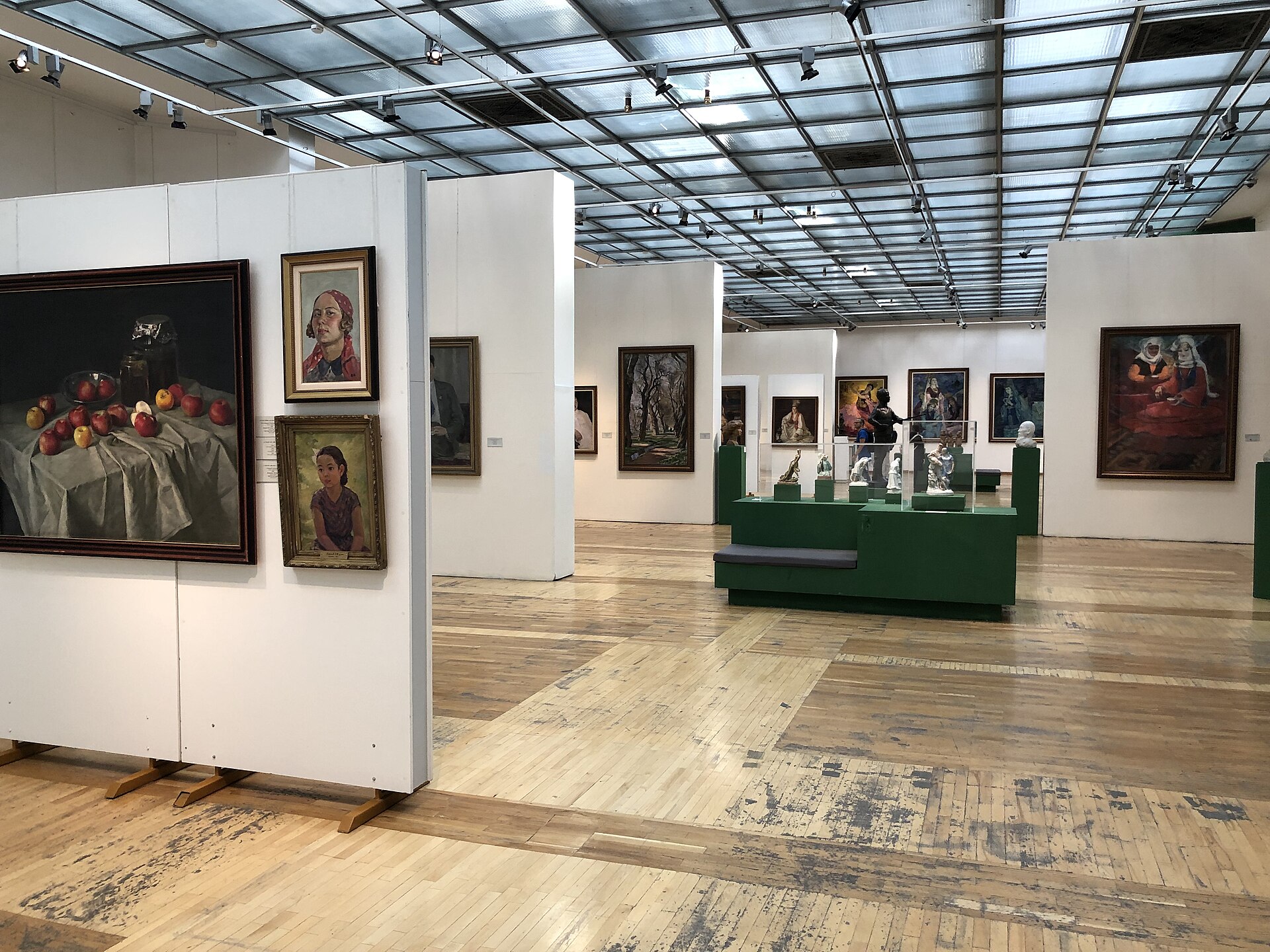
A. Kasteyev State Museum of Arts offers a focus for an art-centered outing in Almaty, Kazakhstan. Rather than treating a museum visit as a checklist, approach it as a chance to slow down and consider how artists represent people, places and everyday life. The supplied information confirms the museum’s name and location, but not its current displays or visitor arrangements. Let that distinction shape your expectations: plan around the institution, then confirm what will actually be available on your chosen day. Start with practical checks directly with the museum operator. Ask about opening hours for your intended date, last admission, ticket arrangements and any temporary closures. Check whether particular exhibitions require separate admission or advance booking, rather than assuming one ticket covers everything. If you want an introduction to the art, ask whether guided visits, audio interpretation or printed material are available, and in which languages. These are planning questions, not confirmed services. Knowing the answers beforehand can make the difference between a thoughtful visit and an uncertain arrival. For navigation, the supplied coordinates are 43.235646, 76.919512. Use them to locate the museum on your preferred map, then verify the visitor entrance and the final approach. A map pin does not necessarily identify the correct doorway, an accessible entrance or a convenient drop-off point. Choose your transport using current local information and leave a little flexibility for the journey. If you are combining the museum with other stops, group them by actual travel time rather than assuming that places within Almaty are close enough to walk between. A useful visit plan begins with a brief orientation before committing to a route. At reception, ask which galleries are open and whether there is a suggested starting point. As general planning advice, protect a couple of unhurried hours if your schedule permits, but adapt that allowance to the available displays, your energy and your interests. Begin with an overview, then choose a smaller number of works for sustained attention. You do not need to see every room to come away with a meaningful impression. When something catches your eye, pause before reading its label. Notice the balance of the composition, the use of color, the treatment of faces or landscapes, and the details that seem deliberately emphasized. Then use any accompanying interpretation to test your first impression. If different periods or media are represented, comparing two works can be more rewarding than
Plan your stay
Book Tours & Hotels Nearby
Almaty
moving rapidly through many. Ask what changes in the artist’s choices, rather than looking only for a familiar subject. A few notes afterward can help preserve those observations without interrupting the experience. Keep the cultural context open rather than forcing every work into a single story about Kazakhstan. An artist’s subject may reflect individual experience, artistic experimentation or a particular historical moment; interpretation should follow the evidence available in labels and museum material. If unfamiliar names, dates or references recur, note them for later reading or ask staff whether further explanation is available. The museum’s name gives you a useful question to pursue: what information does the institution provide about A. Kasteyev and the significance of that dedication? Respectful museum behavior is mostly quiet attentiveness. Follow posted instructions, keep an appropriate distance from artworks and avoid touching objects or display surfaces unless interaction is explicitly invited. Confirm photography rules before taking pictures, including any restrictions on flash, video or particular exhibitions. Keep conversations low enough that others can concentrate, and ask before photographing staff or fellow visitors. Check arrangements for bags, food and drinks on arrival. These are general etiquette recommendations; the museum’s own rules should guide your conduct wherever they are more specific. For accessibility, ask detailed questions rather than relying on a broad description such as “accessible.” Can you reach the entrance without steps, and is there a continuous step-free route through the galleries you want to visit? Ask about lifts where relevant, accessible toilets, seating and any restrictions affecting mobility aids. Visitors with sensory access needs may want to check for large-print information, audio description, captioned material or quieter visiting options. None of these facilities is confirmed by the supplied data. Explain your particular requirements so the operator can answer in practical terms. Nearby exploration is best planned as a flexible extension, not a fixed circuit based on unverified recommendations. Once you have located the entrance, consult a current map for a manageable walk, a place to sit or somewhere to eat in the surrounding area. Check crossings, pavement conditions, gradients and the return journey before choosing a route, especially if walking distance or fatigue matters. A short neighborhood outing can provide a welcome change of pace after close looking, while an indoor break may suit the weather or your energy better. If you have more time in Almaty, choose a second stop that complements rather than
Plan your stay
Book Tours & Hotels Nearby
Almaty
competes with the museum: perhaps another cultural venue, a public space or a neighborhood walk identified through up-to-date local information. Confirm access and transport separately. The strongest plan leaves room for discovery without depending on uncertain details. Arrive informed about practical arrangements, look closely at what is actually on display, and let a few memorable works shape the rest of your day.
Keep exploring
Photo: Wikimedia Commons · CC BY-SA 4.0 · https://commons.wikimedia.org/wiki/File:Rooms_of_State_Museum_of_Arts,_Almaty_03.jpg
Data by Audiala — audiala.com · CC BY 4.0 · Source